August 19, 2026
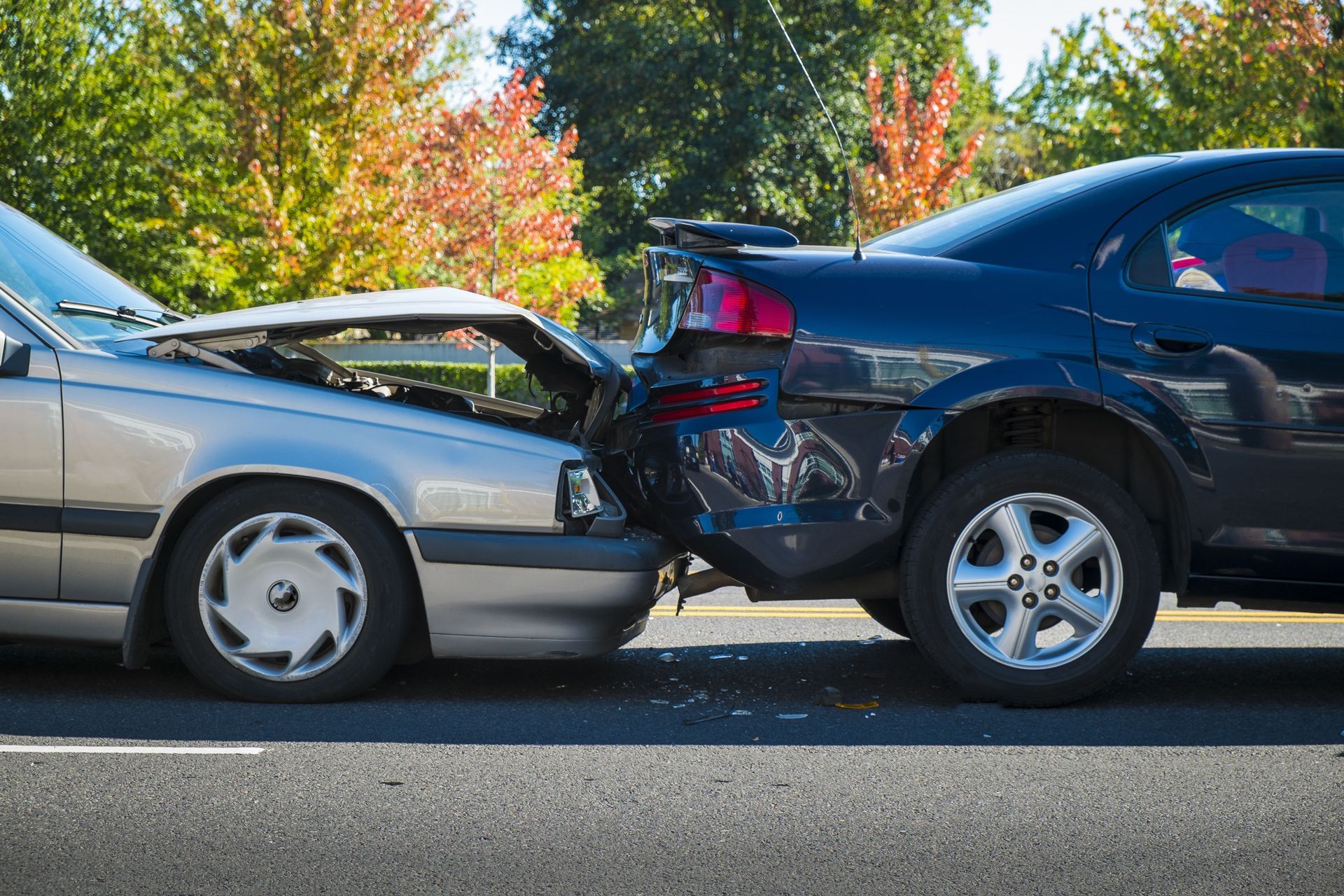
Vehicle damage can happen in many ways, from minor parking-lot impacts to significant collisions that affect multiple exterior and structural components. Even when damage appears primarily cosmetic, underlying issues may affect how a vehicle performs, protects its occupants, or responds during another incident. Professional repairs provide a structured way to evaluate damage, restore affected components, and return a vehicle to a safe and presentable condition. Understanding the benefits of professional auto body repairs can help vehicle owners make informed decisions after an accident or when addressing damage that has developed over time.
Restoring Vehicle Appearance
One of the most immediate benefits of professional collision work is restoring the vehicle's appearance. Dents, scratches, damaged panels, and paint imperfections can significantly change how a car, truck, or SUV looks. A professional repair process addresses these visible concerns while working toward a finish that complements the vehicle's existing design.
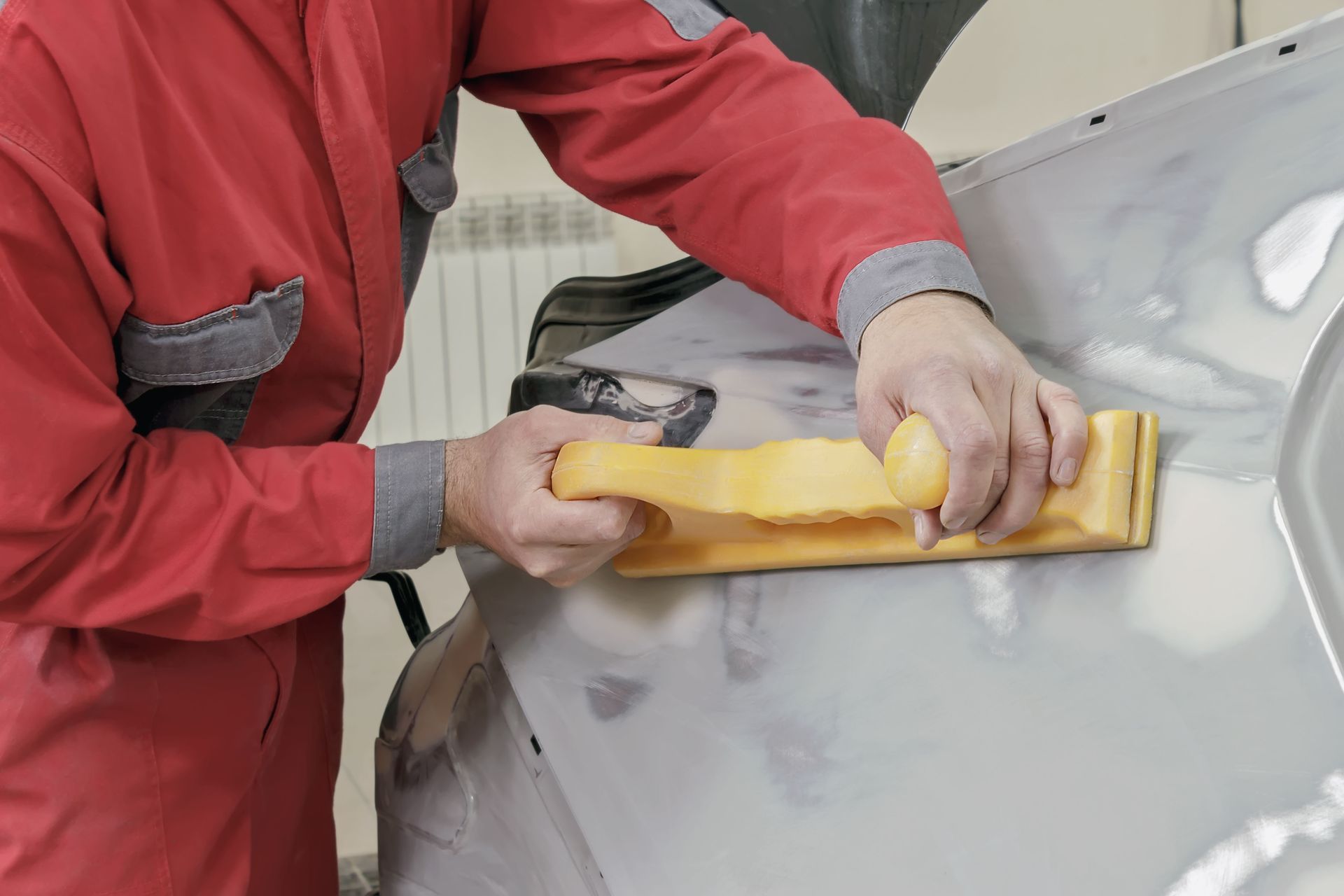
Experienced technicians understand how different body materials and finishes respond to repair techniques. They can evaluate the damaged area and determine the appropriate approach for restoring its appearance. Careful attention to panel alignment, surface preparation, paint application, and finishing details can create a more consistent result than simply covering visible damage.
Correcting Hidden Damage
Not all collision damage is immediately visible. An impact can affect components behind a bumper, beneath exterior panels, or around structural areas without leaving obvious signs on the outside of the vehicle. Overlooking these concerns can allow problems to remain unresolved after an accident.
Professional technicians inspect damaged vehicles with the broader condition of the vehicle in mind. Auto body repairs can involve examining areas surrounding the obvious impact to determine whether additional components were affected. Identifying hidden damage is an important part of returning the vehicle to an appropriate condition after a collision.
Supporting Vehicle Safety
A vehicle's body is designed to work as part of an integrated safety system. Structural components, crumple zones, bumpers, doors, and other parts can contribute to occupant protection during an accident. Damage that changes the position or condition of these components may affect how the vehicle performs in another collision.
Professional repair facilities understand the importance of restoring damaged components appropriately. Technicians evaluate the affected areas and use repair or replacement methods suited to the vehicle and the type of damage. Proper attention to safety-related components can help ensure the vehicle is repaired with more than appearance alone in mind.
Maintaining Proper Panel Alignment
Body panels need to fit together correctly for both appearance and functionality. A collision can shift panels, create uneven gaps, or interfere with doors, hoods, trunks, and other components. Even relatively small alignment issues can become noticeable once the vehicle is viewed from different angles.
Professional technicians measure and assess damaged areas to determine how panels should be positioned. Restoring proper alignment can improve the vehicle's appearance while helping doors, hoods, and other components operate as intended. Careful alignment is therefore an important part of comprehensive collision repair.
Preserving Paint Quality
Paint is more than a decorative feature on a vehicle. The finish also helps protect underlying surfaces from environmental exposure. When an accident damages paint or exposes underlying material, leaving the affected area unaddressed can allow additional deterioration to develop.
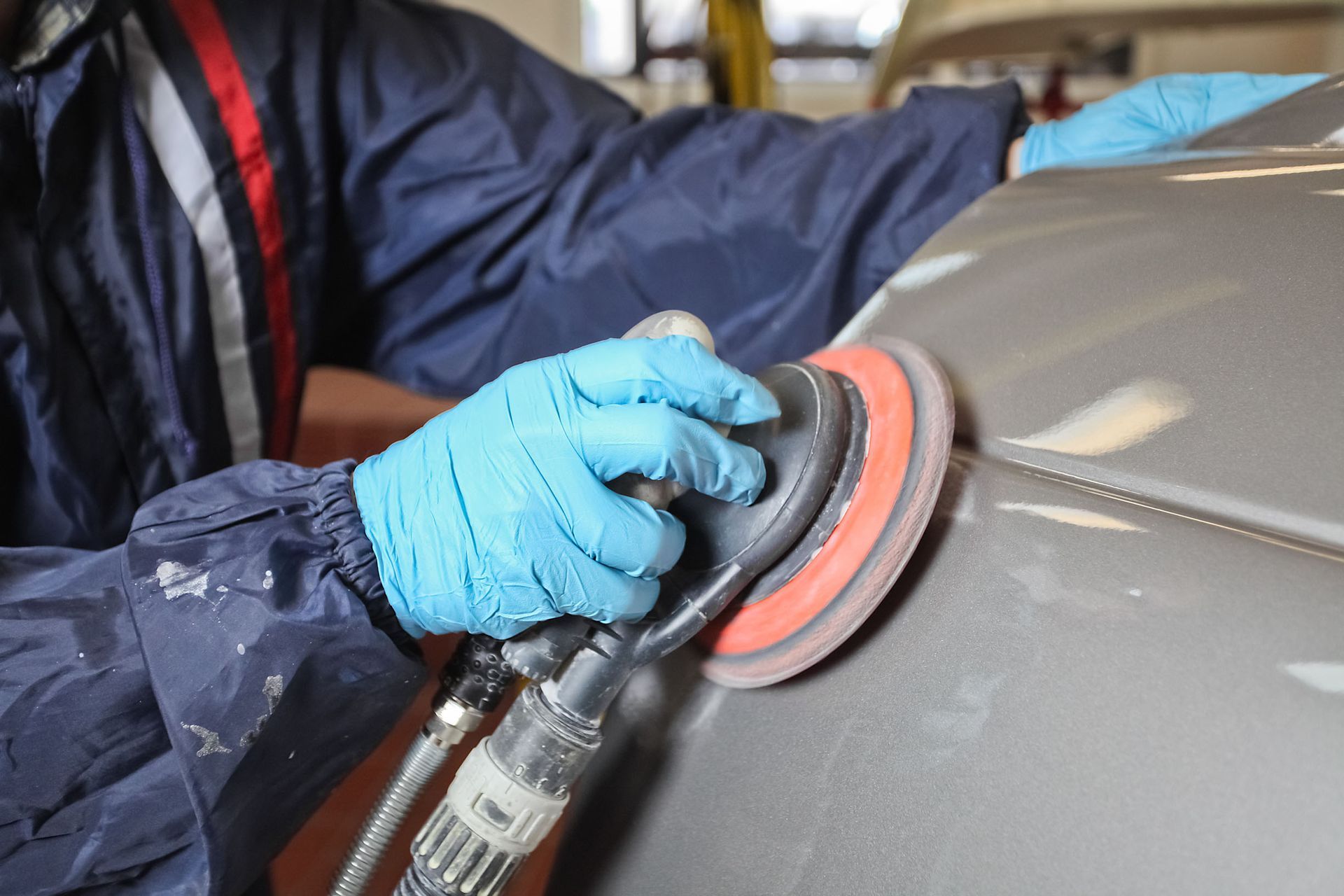
Professional refinishing involves preparing damaged surfaces and applying appropriate coatings to create a consistent finish. Technicians can account for the vehicle's existing color and finish when completing the repair. Quality paintwork helps restore the appearance of the affected area while supporting the condition of the underlying body.
Protecting Against Corrosion
Exposed metal can be vulnerable to moisture and environmental conditions. Scratches, chips, dents, and collision damage that break through protective coatings may leave underlying surfaces less protected. If the damage remains untreated, corrosion can develop and gradually affect surrounding areas.
Professional auto body repairs address damaged surfaces as part of the restoration process. By repairing affected areas and restoring appropriate protective finishes, technicians can help limit the conditions that contribute to corrosion. Timely attention can be particularly important when damage exposes bare metal or compromises existing protective coatings.
Preserving Vehicle Value
A vehicle's physical condition can influence how it is perceived by prospective buyers and how well it retains its overall appeal. Visible dents, mismatched paint, poorly aligned panels, and unresolved collision damage can negatively affect a vehicle's presentation. Maintaining the exterior in good condition can therefore be an important consideration for owners who plan to keep or eventually sell their vehicles.
Professional repair work can restore damaged areas while helping preserve the vehicle's overall appearance. According to IBISWorld, the U.S. car body shop industry was valued at approximately $76.8 billion in 2025, reflecting the substantial demand for professional collision and body repair services. This industry supports vehicle owners who need specialized assistance maintaining and restoring their vehicles.
Restoring Functional Components
Collision damage can affect components that need to operate properly, including doors, trunks, hoods, mirrors, bumpers, and lighting assemblies. A damaged exterior component may look acceptable from a distance while still interfering with normal operation. Addressing these functional concerns is an important part of a complete repair.
Professional technicians can inspect affected components and determine whether they can be repaired or need replacement. Ensuring these parts operate properly can improve everyday convenience and help restore the vehicle to a more complete condition. A comprehensive repair looks beyond the most obvious cosmetic damage.
Supporting Advanced Vehicle Systems
Modern vehicles increasingly incorporate technology into areas that may be affected during a collision. Cameras, sensors, lighting systems, driver-assistance features, and other components can be positioned near bumpers, grilles, mirrors, or body panels. Even a moderate impact may therefore affect systems that are not immediately obvious.
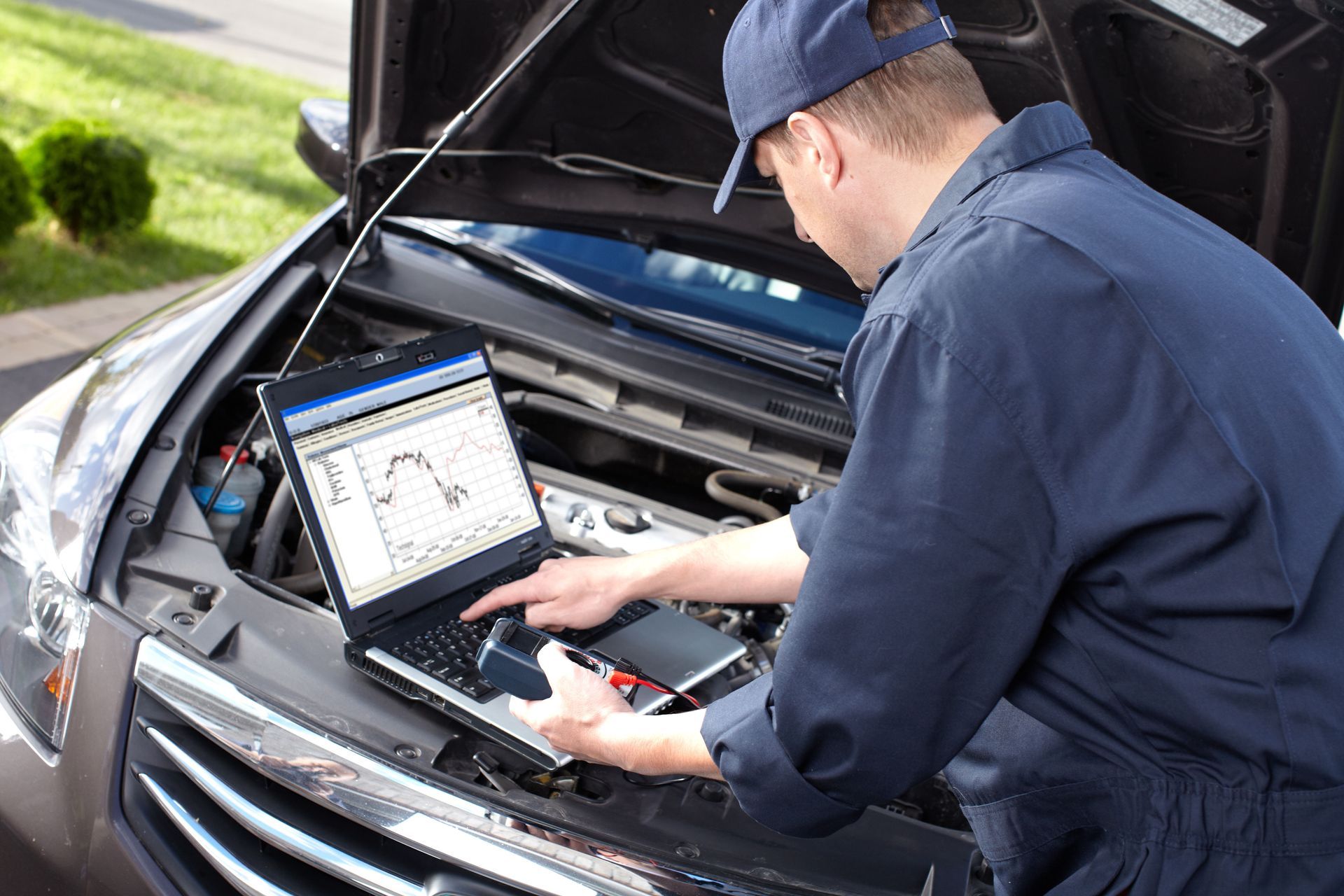
Professional repair facilities can consider the presence of these technologies when evaluating collision damage. Appropriate inspection and repair procedures help account for components that may require additional attention. This is particularly important as vehicle designs become increasingly dependent on integrated technology.
Providing Structured Damage Assessment
Every collision is different, and repair requirements depend on the location, severity, and type of damage. A professional assessment provides an opportunity to evaluate the vehicle before repairs begin. Technicians can identify visible and hidden concerns and develop a repair approach based on their findings.
A structured assessment also helps organize the repair process. Instead of addressing individual dents or scratches without considering the vehicle as a whole, professionals can evaluate how different damaged components relate to one another. This broader perspective supports a more complete restoration.
Improving Repair Consistency
Professional collision repair involves multiple stages that need to work together. Body repair, panel alignment, surface preparation, painting, reassembly, and finishing all contribute to the final result. Inconsistent work at one stage can become noticeable once the vehicle is reassembled.
Experienced technicians understand how these stages interact and can coordinate their work accordingly. Their familiarity with repair procedures helps create greater consistency across the completed vehicle. Attention to each stage can make the difference between a temporary-looking repair and a polished restoration.
When your vehicle needs collision restoration, All Auto Body Collision is ready to provide professional assistance tailored to the condition of your vehicle. Our team focuses on careful assessments, quality workmanship, and detailed repairs designed to restore both appearance and functionality. We understand how important your vehicle is to your daily life, and we work to provide a professional repair experience from evaluation through completion. Contact All Auto Body Collision today to discuss your vehicle's damage and learn how our
auto body repairs can help restore your vehicle's condition.