June 16, 2026
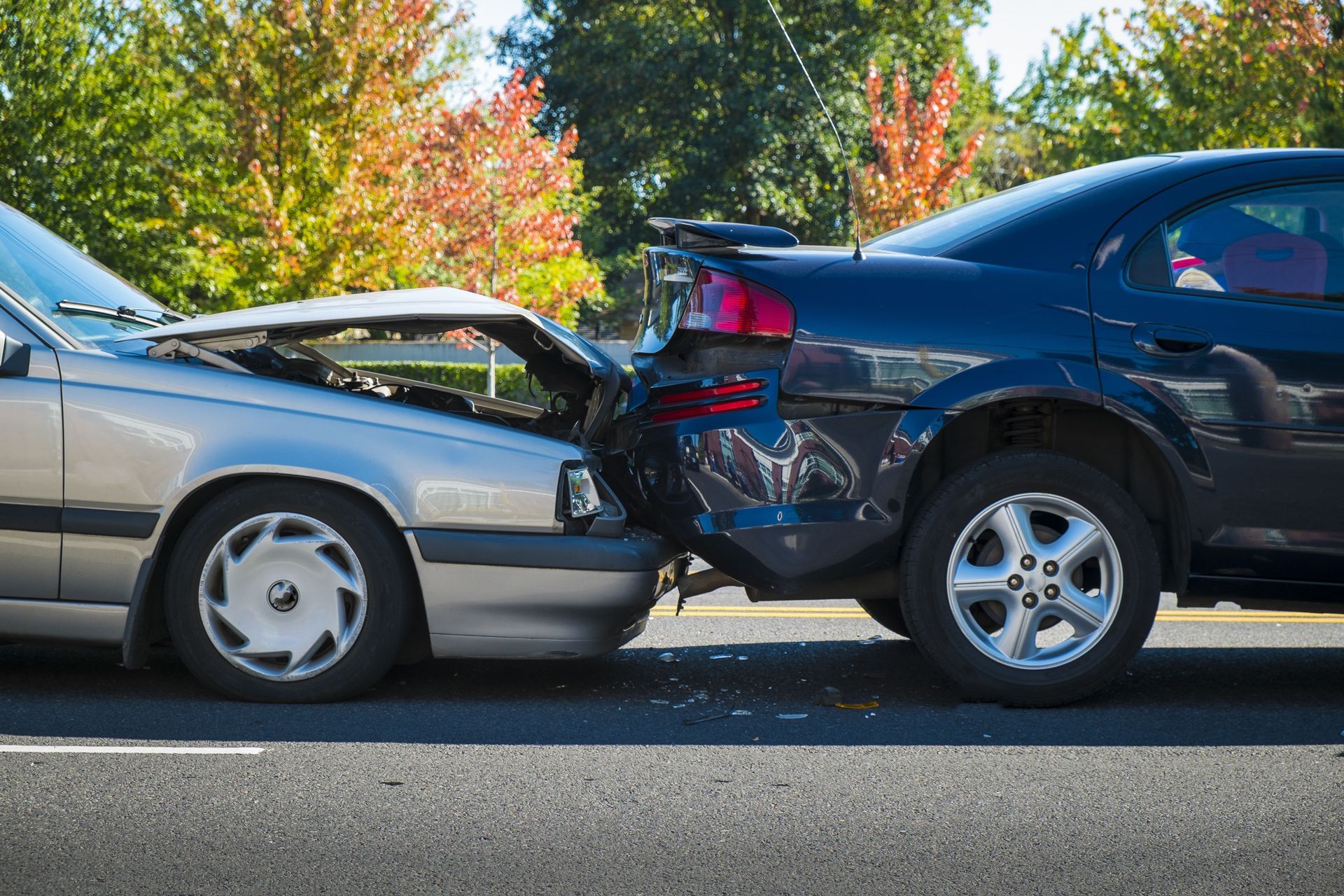
Colliding with debris, enduring weather extremes, or navigating a minor traffic accident can instantly compromise both the safety and appearance of your vehicle. Returning your asset to pre-accident condition requires more than simply dropping it off at the closest provider. To secure an uncompromised repair, a vehicle owner must actively interview prospective auto body shops using a highly disciplined set of diagnostic questions.
This comprehensive guide outlines the exact technical and operational questions you must ask your collision specialists before signing a work authorization form. Investigating legal credentials, part sourcing networks, and warranty lengths allows you to confidently bypass uncertified, cut-rate garages. By approaching your structural collision repair with a systematic vetting process, you protect your real estate on the road, maximize your insurance coverage, and maintain your vehicle's safety profile over its entire operational lifecycle.
Verification of Professional Credentials and Specializations
The absolute first step in vetting a local automotive collision facility is verifying their active shop industry certifications and specialized technician credentials. You must ask the auto body shop manager if their team members hold valid Inter-Industry Conference on Auto Collision Repair (I-CAR) Gold Class designations or Automotive Service Excellence (ASE) certifications. These demanding industry credentials prove that the technicians undergo continuous, high-level testing regarding structural realignment, aluminum panel manipulation, and digital sensor recalibration.
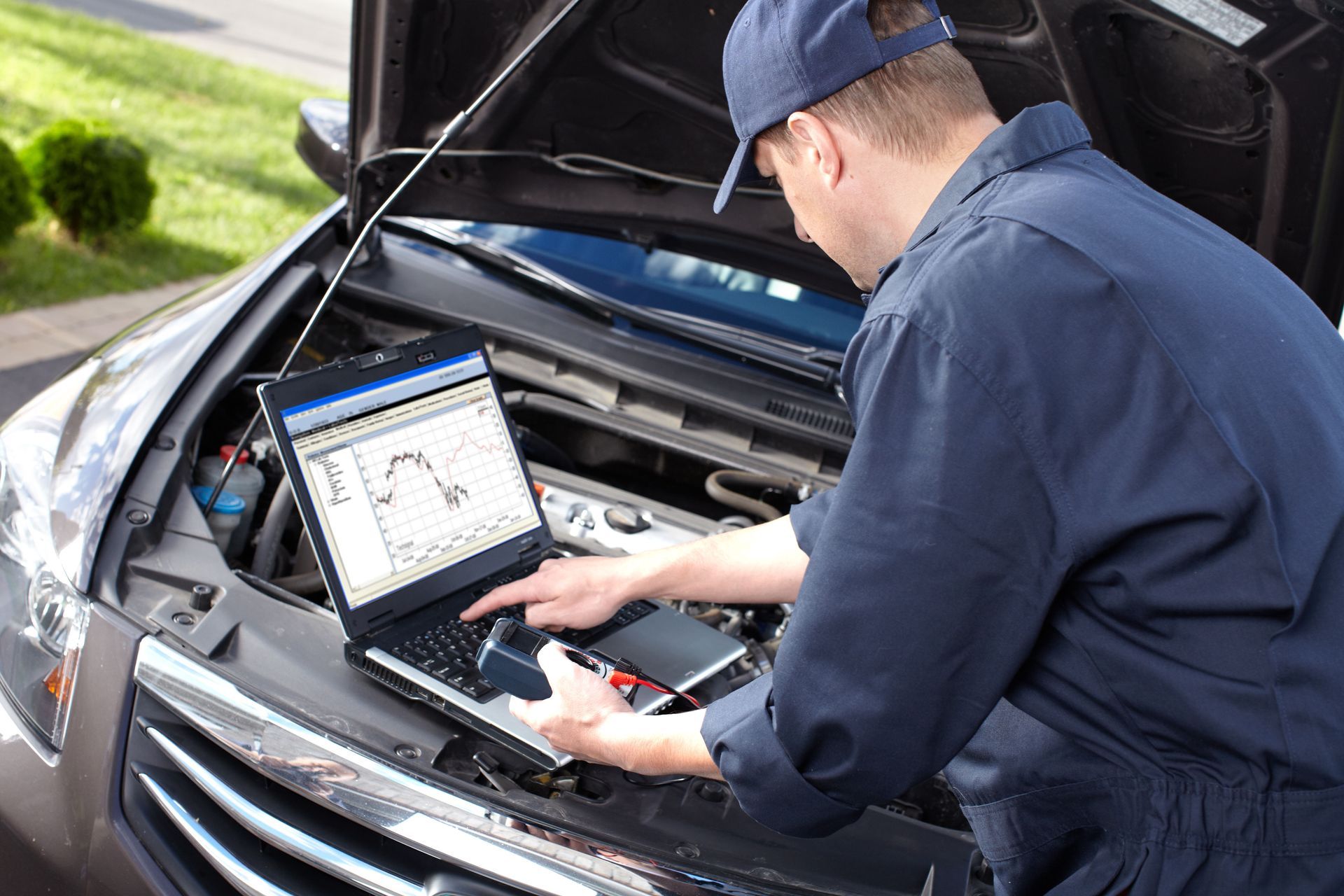
Furthermore, you should inquire if the shop maintains official original equipment manufacturer (OEM) certifications for your specific vehicle make and model. Contemporary vehicles feature lightweight high-strength steels, complex computer networks, and advanced driver-assistance systems (ADAS) that demand highly precise repair protocols. A certified auto body shop possesses the specialized hydraulic frame machines, brand-specific diagnostic scanners, and specialized welding equipment required to restore your vehicle’s factory-engineered crumple zones safely.
Service Warranties, Claims Support, and Long-Term Durability
A reputable collision center must provide a transparent, written warranty covering all structural workmanship and paint applications. You must explicitly ask for a detailed breakdown of their warranty terms, confirming if they provide a comprehensive lifetime guarantee for as long as you own the vehicle. It is critical to ask if this coverage applies universally to both the manual labor and the physical refinishing coats, protecting your asset against premature paint peeling, clear coat delamination, or panel misalignment.
Understanding the shop’s formal policy regarding future warranty claims prevents frustrating financial disputes if a repair fails prematurely down the road. You must check how the shop manages localized material degradation over time to ensure long-term structural viability. According to Brandon Gaille, in the United States, 4 out of 5 auto repairs performed on cars are related to the durability of the vehicle. This significant industry statistic highlights why securing ironclad structural guarantees and high-grade labor warranties is a critical factor in protecting your vehicle's daily operational lifespan.
Estimate Transparency, Itemization, and Insurance Intermediaries
Financial transparency is the ultimate hallmark of an honest, highly professional collision center. When reviewing your repair blueprint, you must ask for an itemized digital estimate generated through certified tracking platforms like Xactimate or CCC One. This detailed breakdown must clearly separate mechanical labor fees from paint labor hours, body filler applications, and direct material costs, preventing unbonded garages from packing your final invoice with hidden administrative fees.
Additionally, you must ask how the auto body shop manages supplement requests if hidden structural damage is uncovered after the teardown phase. Top-tier shops function as direct insurance liaisons, documenting unexpected chassis fractures or bent suspension elements photographically and submitting digital supplement claims directly to your insurance adjuster. This professional coordination ensures your claim is funded completely, completely insulating you from unexpected out-of-pocket expenses.
Technical Material Sourcing: OEM vs. Aftermarket Elements
The physical grade of the components embedded within your vehicle directly dictates its crashworthiness and aesthetic finish. You must directly ask your service advisor whether they have itemized OEM components, Like-Kind-and-Quality (LKQ) recycled components, or generic aftermarket panels on your estimate sheet. While aftermarket parts provide initial financial savings, they often lack the precise stamping tolerances and zinc-coated corrosion resistance of original factory steel.
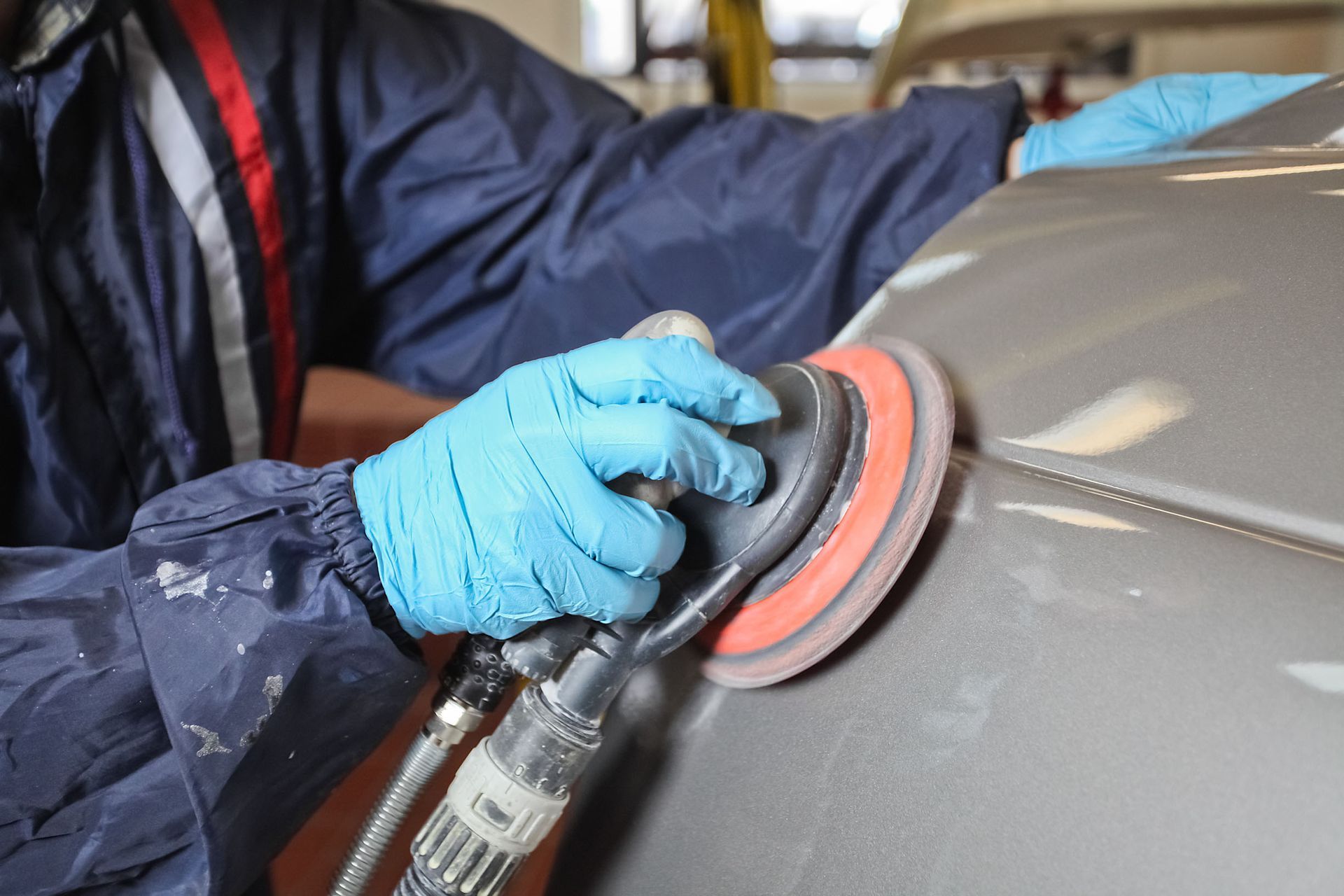
Furthermore, you must ask about the specific refinishing materials and clear coat systems the shop uses in their computerized down-draft paint booths. Leading facilities exclusively utilize eco-friendly, waterborne paint lines paired with high-solid polyurethane clear coats to match your vehicle's factory texture and color spectrum flawlessly. Understanding these material origins allows you to confirm that every replaced safety bracket or quarter panel meets rigid federal motor vehicle safety standards.
Repair Timelines, Telematics, and Delay Protocols
A major collision repair can severely disrupt your daily professional and personal routine, making timeline clarity a vital metric. You must ask the project manager to establish a realistic target completion date based on active parts procurement timelines and scheduled structural labor hours. This operational projection allows you to coordinate alternate transportation options, such as securing an insurance-funded rental vehicle, without facing sudden logistical gaps.
Innovative auto body shop operators utilize automated text telematics or cloud-based online portals to stream real-time progress photos directly to your smartphone. You must ask what specific communication channels the facility uses to notify you if unforeseen delays arise, such as backordered factory parts or hidden mechanical complications. An auto body shop committed to transparent tracking will update you at every key milestone, ensuring you remain informed from initial teardown to the final detailing phase.
Customer Service Metrics and Complaint Resolution
Evaluating how an auto body facility manages client feedback and unexpected friction provides an accurate picture of their service philosophy. You must ask the auto body shop ownership about their formal internal protocols for resolving customer complaints, such as addressing minor paint overspray or micro-scratches caught during final inspection. A business that handles customer feedback professionally will execute immediate, no-cost corrections, proving they prioritize long-term consumer trust over short-term transaction speeds.
Additionally, you should explore whether the collision repair center offers any integrated loyalty perks, customer appreciation incentives, or multi-vehicle service bonuses for returning clients. While structural frame alignment is typically a rare occurrence, established shops often look to build lifelong professional relationships by providing complimentary detailing, free annual safety inspections, or small discounts on minor paintless dent repair tasks down the road. Partnering with an organization that values its public reputation within the local community guarantees that your vehicle will receive detailed, high-quality attention, shifting a stressful accident recovery into a highly professional, reliable customer service experience.
Hiring the right repair facility involves looking past basic convenience to perform a deep evaluation of a facility's structural qualifications, financial transparency, and component sourcing networks. By asking precise questions regarding I-CAR Gold Class credentials, lifetime written warranties, itemized digital estimates, and automated telematics tracking, you can easily protect your valuable transportation investment from substandard repair methods. Adopting an analytical approach to collision restoration ensures your vehicle is returned to original factory safety specifications, completely protecting your family on the road ahead.
When your automotive safety, structural passenger protection, and structural integrity are on the line, relying on uncertified, unbonded, or non-certified repair garages can easily cause frame misalignment, poor airbag sensor deployment, and rapid rust formation. True structural collision restoration demands computerized laser measuring systems, down-draft baking booths, and factory-trained refinishing specialists. To ensure your vehicle is restored flawlessly utilizing premium materials and certified technical craftsmanship, schedule your detailed post-accident estimate with the collision experts at All Auto Body Collision.