February 20, 2026
Auto collision repair can be a daunting process for many vehicle owners. Knowing what to expect before, during, and after a visit to a collision repair shop can make the experience smoother and less stressful. This article outlines key aspects of the auto collision repair process, ensuring consumers are well-informed and prepared. By understanding the nuances from damage assessment to communication strategies, vehicle owners can approach repairs with more confidence. Comprehensive insights can also aid in making informed decisions that affect not just the repair cost but the safety and longevity of their vehicles.
Processing the Initial Assessment
Upon arriving at a collision repair shop, the first step involves a comprehensive damage evaluation. Technicians conduct a thorough inspection to identify visible and hidden damage. This evaluation helps in determining the extent of the repair required to restore the vehicle to its pre-collision state. It's also essential for understanding the parts and labor that will be involved. Although time-consuming, a meticulous assessment is crucial for accuracy and to avoid surprises in the repair process.
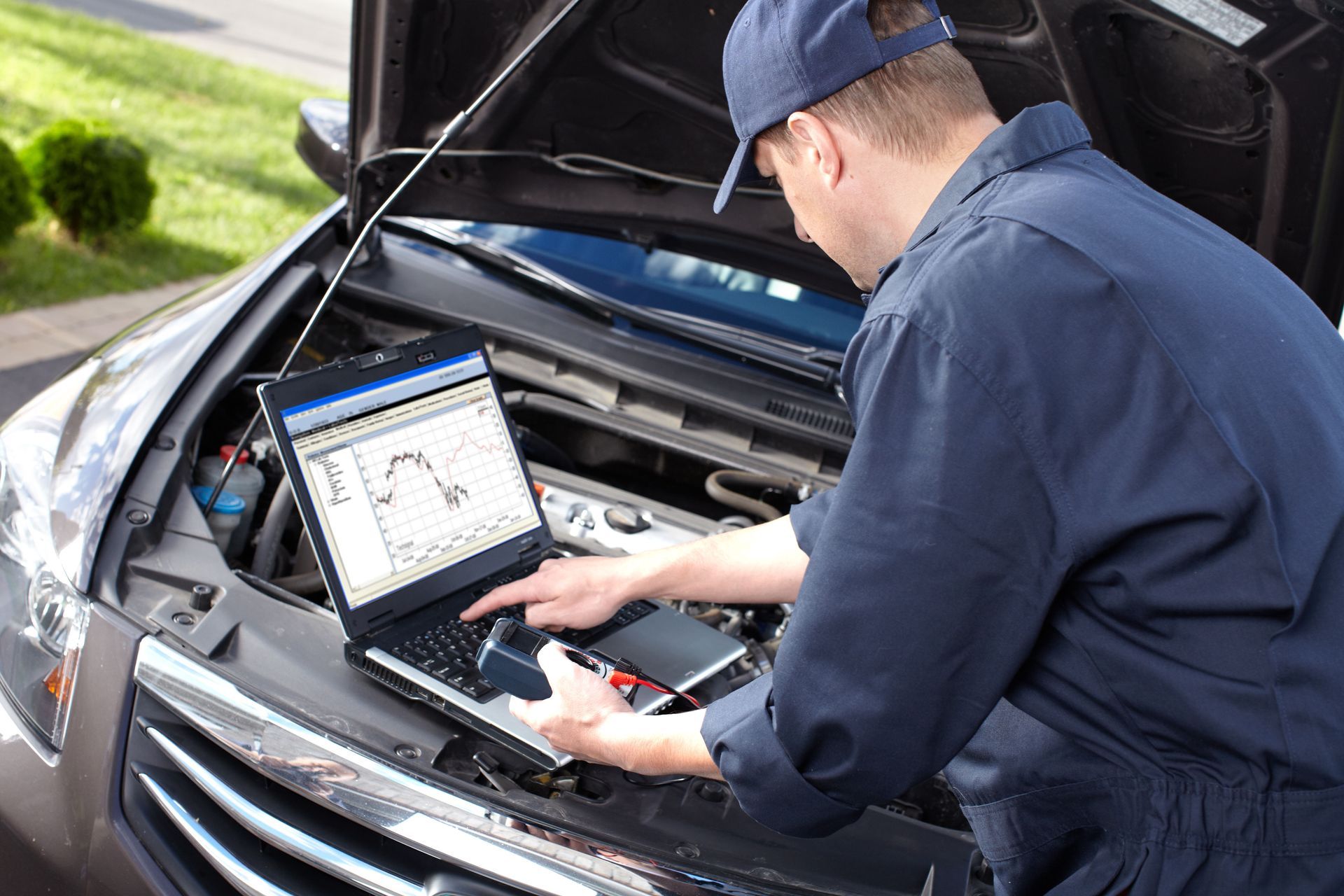
Precision in damage evaluation is key to setting a realistic repair timeline. Trained technicians use advanced diagnostic tools and techniques to spot damage that might not be visible to the naked eye. This step ensures that all safety-related components are checked thoroughly. Addressing underlying issues early can prevent future problems and increase the effectiveness of the repairs.
Accurate assessments contribute to customer satisfaction by reducing mid-repair disagreements and ensuring transparency. Moreover, a detailed evaluation provides the baseline for estimating costs, timelines, and the required task list. Knowing the complete scope of damage upfront can also facilitate smoother communication with insurance companies. According to Auto Leap, the market size for auto repair in the U.S. is expected to reach $134 billion by the year 2033, underscoring the importance of precise evaluations that make a difference in a competitive industry.
Estimating Repair Costs
There are several factors when estimating repair costs, from parts and labor to the complexity of the repair itself. Repair shops often use specialized software to compile a detailed cost estimate. This step provides transparency and helps the vehicle owner understand what each component of the repair will cost. Influences on these costs can include the severity of the damage, model-specific parts, and potential delays due to parts logistics. Additionally, labor rates can vary depending on the expertise and certifications held by the repair technicians.
A clear understanding of the estimating process can help customers prepare financially. Often, repair shops provide a breakdown of costs, which can prevent misunderstandings and disputes later in the process. Knowing what each charge entails allows for informed discussions and negotiations with both the repair shop and the insurance provider. This upfront knowledge can avert sticker shock when the final bill arrives. Accurate estimates build trust between the service provider and the client.
Thorough cost estimates are essential for financial planning, especially in cases where the insurance does not cover all expenses. If aftermarket parts or alternative repair techniques are suggested, understanding their cost implications will provide more options. By having a realistic idea of potential costs, customers can decide whether to prioritize certain repairs over others or explore different payment options. Detailed estimates create clarity and enable better financial management, which is crucial. Transparency in cost estimation aids in making well-informed decisions.
Collaborating With the Insurance Company
The collaboration between repair shops and insurance companies plays a pivotal role in the auto collision repair process. Repair shops often act as mediators, assisting customers through the complicated insurance claims process by providing necessary documentation and repair estimates. This cooperation can significantly expedite the repair process, ensuring that approvals and payments are handled efficiently. Understanding this dynamic can help vehicle owners feel more secure, knowing that professionals are handling the technicalities. The goal is to streamline communication to minimize delays in repair work.
For insurance companies, working closely with reputable repair shops ensures that claims are resolved efficiently and cost-effectively. It's in both parties' interests to maintain a transparent relationship; insurance providers typically prefer shops with a history of quality work and fair pricing. This relationship can often lead to quicker approvals as the repair shop's professional diagnosis and estimates are trusted. In some cases, having a pre-approved network of repair facilities can further expedite the process. Good relationships between repair shops and insurers lead to better outcomes for customers.
Understanding this collaborative process can ease the anxiety of dealing with insurance claims. Shops often have dedicated staff who liaise with insurance adjusters, ensuring all necessary communications and documents are in order. Being aware of this service can help customers focus on understanding the repair elements rather than worrying about the insurance side. Collaboration is a key component in achieving timely and satisfactory repair results, especially in a growing market. Thus, a seamless insurance collaboration can mitigate one of the largest stressors in post-collision repairs.
Understanding Preliminary Timeframes
Timeframe estimates are an integral component of the initial repair assessment. Before any repair work begins, a preliminary timeline is established based on the complexity of the work required. It includes considerations such as parts availability, labor intensity, and the need for specialized expertise. Customers can benefit from having a basic understanding of how these factors influence repair timelines. The aim is to set realistic expectations, so customers can plan accordingly, whether it involves arranging alternative transport or scheduling other commitments.
Timeframes can vary considerably, from a few days for minor repairs to several weeks for extensive damage. Repair shops strive to provide educated estimates but must contend with external factors like supply chain disruptions. Clear communication about potential delays is vital to maintaining customer satisfaction. Transparency helps manage customer expectations, minimizing frustration if and when unexpected delays occur. A well-rounded understanding helps in gracefully navigating the inevitable uncertainties in repair timelines.
However, even the best timeframes are estimates and not guarantees. Communication plays a pivotal role in keeping all parties informed as work progresses. Regular updates can amend original estimates and provide fresh perspectives on completion timelines. This ongoing communication ability makes a significant difference when dealing with the intricacies of collision repair. Effective communication and realistic timings help in ensuring smooth operations and satisfied customers.
Receiving an Estimate Breakdown
Understanding the breakdown of the cost estimate is critical for vehicle owners approaching the auto collision repair process. An estimate breakdown includes parts, labor, taxes, and additional fees, helping customers determine precisely what they are paying for. This detailed breakdown can prevent misunderstandings and help in facilitating discussions about costs with both the repair shop and insurance companies. By reviewing each component, car owners can clarify and even contest any charges they find questionable. It is the foundation for an open and informed dialogue with the repair professionals.
Having a detailed estimate breakdown also plays a role in negotiating better deals or exploring alternative options. Customers become empowered to make informed choices, whether considering aftermarket parts over OEM options or deciding to defer certain non-critical repairs. Analyzing estimates in this way encourages transparency and fosters trust, contributing to a more satisfactory overall service experience. Furthermore, if discrepancies arise, having a detailed breakdown makes addressing these issues more straightforward. It ensures all parties are clear about the financial implications of the repair from the outset.
Furthermore, understanding an estimate breakdown is crucial for managing expectations regarding out-of-pocket expenses. Not all repair costs are covered by insurance policies, and an understanding of this breakdown can help prepare financially for non-covered costs. With the auto collision repair market size reaching substantial figures, as referenced by industry forecasts, being financially savvy regarding repair expenses is increasingly essential. In conclusion, detailed estimate breakdowns are not just about transparency; they serve as an essential tool for financial management and decision-making during a challenging time.
Understanding the auto collision repair process empowers vehicle owners to navigate an otherwise stressful experience with clarity and confidence. From the initial damage assessment to cost estimates, insurance collaboration, and timeline expectations, each step plays a vital role in achieving safe and satisfactory results. By staying informed and maintaining open communication with repair professionals and insurers, customers can make sound decisions that protect both their finances and their vehicle’s long-term performance. Ultimately, knowledge and transparency are the keys to a smoother, more manageable collision repair journey. If you need auto collision repair near San Bernardino, CA, contact All Auto Collision & Paint Inc. today.